
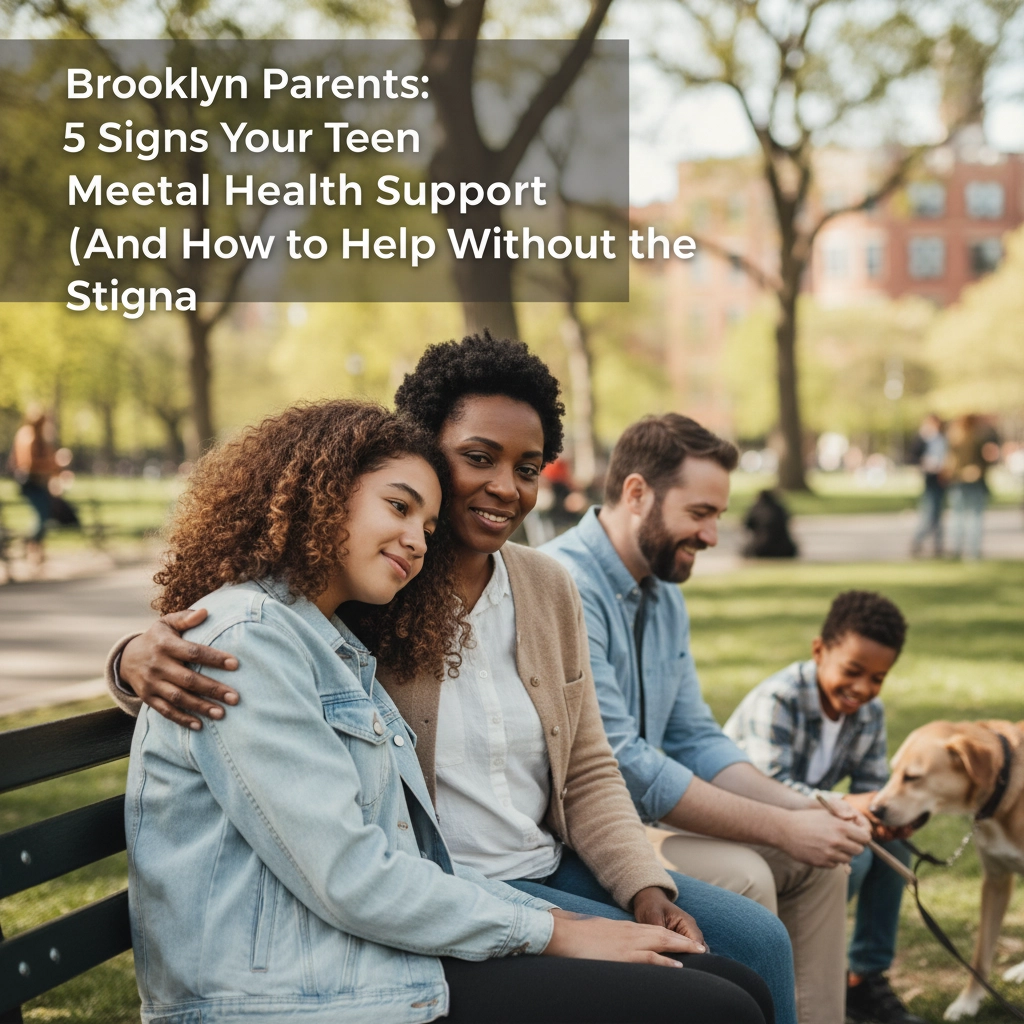
Hello, Brooklyn parents! Let's talk about something that keeps many of us up at night – our teens' mental health.
Here's the uncomfortable truth: 1 in 5 teens struggle with mental health issues, yet so many families suffer in silence because of outdated stigmas. As parents in Brooklyn, we're raising kids in one of the most vibrant yet demanding cities in the world. The pressure is real, and pretending it isn't doesn't help anyone.
You know your teen better than anyone else. Those gut feelings you've been having? Trust them. Mental health isn't about "being weak" or "just going through a phase" – it's about getting the support our kids need to thrive in an increasingly complex world.
Let's dive into the five key signs that your teen might need professional support, and more importantly, how you can help them without adding to any shame or stigma they might already be feeling.
Sign #1: Dramatic Changes in Mood and Behavior
Your once-chatty teen has become a stranger in your own home.
We're not talking about typical teenage moodiness here. This is different. Maybe your teen who used to light up talking about their friends now gives you one-word answers. Perhaps they're having explosive anger outbursts over small things, or you've noticed they seem sad or hopeless for weeks at a time.
Watch for these specific changes:
- Sudden personality shifts that last longer than two weeks
- Extreme mood swings from euphoria to deep sadness
- Persistent irritability or anger that's out of proportion to situations
- Complete withdrawal from family conversations and activities
The key word here is dramatic. Every teen has off days, but when these changes feel like your child has become someone completely different, it's time to pay closer attention.

Sign #2: Sleep and Eating Patterns Gone Haywire
Their relationship with sleep and food tells a story their words might not.
Teenagers naturally have shifting sleep patterns, but significant changes in both sleep and eating habits often signal emotional distress. Maybe your teen is staying awake until 3 AM every night, or sleeping 14 hours a day on weekends. Perhaps they're barely touching their favorite meals, or you're finding evidence of late-night binge eating.
Red flags include:
- Chronic insomnia or oversleeping for extended periods
- Significant weight loss or gain in a short time
- Complete loss of appetite or compulsive overeating
- Using sleep as an escape mechanism from daily life
Physical symptoms like frequent headaches, stomachaches, or unexplained fatigue can also be your teen's body expressing what their mind is struggling to process. Don't dismiss these complaints as "attention-seeking" – they're often very real manifestations of internal pain.
Sign #3: Academic Performance and Social Life Falling Apart
When school and friendships suddenly don't matter anymore, something deeper is happening.
Your teen's grades might be dropping, but it's not because they're lazy or defiant. They may be struggling to concentrate, losing interest in subjects they once enjoyed, or finding it impossible to keep up with assignments. Similarly, if your social butterfly has stopped hanging out with friends or participating in activities they used to love, this isolation is a significant concern.
Educational and social warning signs:
- Sudden drop in grades or inability to focus on schoolwork
- Avoiding school or frequently asking to stay home
- Withdrawing from friend groups and social activities
- Quitting sports, clubs, or hobbies they previously enjoyed
- Teachers expressing concerns about behavior changes
Remember, academic struggles are often symptoms, not the root problem. Punishing poor grades without addressing underlying mental health concerns is like putting a band-aid on a broken bone.
Sign #4: Risky Behaviors and Poor Decision-Making
When good kids start making dangerous choices, they're often trying to cope with internal pain.
Maybe you've found evidence of substance use, discovered they're engaging in dangerous online activities, or noticed they're taking physical risks they never would have before. These behaviors aren't necessarily signs of rebellion – they're often desperate attempts to numb emotional pain or regain some sense of control.
Concerning behaviors to watch for:
- Experimenting with drugs, alcohol, or vaping
- Engaging in risky sexual behaviors
- Self-harm, including cutting, burning, or hitting themselves
- Reckless driving or other dangerous physical activities
- Spending excessive time with new, potentially harmful peer groups
Here's what you need to understand: teens often engage in these behaviors as coping mechanisms when they don't have healthier tools to manage overwhelming emotions.

Sign #5: Expressions of Hopelessness or Thoughts of Self-Harm
This is the most critical sign – and it requires immediate attention.
Any mention of feeling hopeless, worthless, or wanting to hurt themselves must be taken seriously, even if it seems like they're "just being dramatic." Comments like "I wish I was never born," "Everyone would be better off without me," or "I just want the pain to stop" are cries for help, not attempts to manipulate or get attention.
Take these statements seriously:
- Any talk about suicide, death, or wanting to "disappear"
- Expressions of extreme guilt, worthlessness, or shame
- Sudden interest in death-related topics or content
- Giving away prized possessions or saying goodbye to people
- Making statements about being a burden to the family
If your teen expresses any thoughts of self-harm or suicide, don't wait. Contact a mental health professional immediately or call the 988 Suicide & Crisis Lifeline.
How to Help Without Adding Stigma
Now that you recognize the signs, let's talk about the most important part: how to support your teen without making them feel broken or ashamed.
Create Safe Conversation Spaces
Start talking about mental health before there's a crisis. Make it as normal to discuss emotions as it is to talk about physical health. Try phrases like "I've noticed you seem stressed lately – what's going on?" instead of "What's wrong with you?"
Share your own experiences with stress and difficult emotions. When teens see that adults also struggle and seek help, it normalizes the experience and reduces shame.
Focus on Strength, Not Weakness
Reframe seeking help as a sign of courage, not failure. Tell your teen, "It takes real strength to ask for help when you're struggling" or "The strongest people I know are those who work on their mental health."
Avoid language that suggests they're "broken" or need to be "fixed." Instead, use terms like "support," "tools," and "growth."
Find the Right Professional Match
Not every therapist is the right fit for every teen. Look for mental health professionals who specialize in adolescents and have experience with the specific challenges your teen is facing. Don't be afraid to try different therapists until you find someone your teen connects with.
Consider asking your teen what kind of person they'd feel comfortable talking to – sometimes their preferences can guide you to the right match.
Make Mental Health Care a Family Priority
Show that you're invested in everyone's wellbeing, not just "fixing" your teen. Consider family therapy or your own individual therapy to model healthy behavior and address any family dynamics that might be contributing to stress.
When the whole family prioritizes mental health, it removes the spotlight from your teen and makes them feel less like the "problem child."

Taking Action: Your Next Steps
You don't have to navigate this alone. Here in Brooklyn, we're fortunate to have organizations like GameStrong Foundation that understand the unique challenges our teens face. We specialize in providing mental health support and mentorship specifically designed for young people ages 13-25, helping them build resilience and develop healthy coping strategies.
Immediate steps you can take:
- Have an honest, non-judgmental conversation with your teen about what you've observed
- Research mental health professionals in your area who work with adolescents
- Contact your teen's school counselor to discuss any academic concerns
- Explore community resources and support groups for both you and your teen
- Consider reaching out to organizations that specialize in youth mental health
Remember, seeking help early is always better than waiting for a crisis. Mental health support isn't just about addressing problems – it's about giving our teens the tools they need to navigate life's challenges successfully.
You're Not Alone in This Journey
Every parent worries about getting this right. The fact that you're reading this article shows you're already doing something incredibly important – you're paying attention and you're willing to learn.
Mental health challenges don't reflect your parenting or your teen's character. They're medical conditions that respond well to proper treatment and support. Your teen can and will get through this, especially with a parent like you in their corner.
The stigma around mental health is finally starting to break down, and it's parents like you who are leading that change. By approaching your teen's mental health with the same care and attention you'd give to their physical health, you're not just helping your own child – you're helping create a world where the next generation feels safe asking for help when they need it.
Our teens are facing unprecedented challenges, but they're also incredibly resilient. With the right support, understanding, and professional help when needed, they can not only overcome their current struggles but emerge stronger and more self-aware.
If you're ready to take the next step in supporting your teen's mental health journey, explore our programs and resources designed specifically for Brooklyn families like yours. Together, we can help our teens build the emotional strength they need to thrive.